
If you’ve ever experienced uncomfortable, scratchy and/or irritated sensations in your eyes, you may have suffered from dry eye syndrome.
While this condition can be frustrating, simple treatment options exist to protect your eyes and help you live in comfort.
What is Dry Eye Syndrome?
Dry eye syndrome occurs when your eyes don’t produce enough tears or when the quality of your tears isn’t sufficient to keep the surface of your eyes properly lubricated.
Healthy tears keep vision clear, wash away debris, reduce the risk of infection, and help maintain overall eye comfort. When this balance is disrupted, irritation and discomfort can follow.
Symptoms of dry eye syndrome can include a stinging or burning sensation, redness, blurry vision, and light sensitivity.
Most dry eye syndrome sufferers are affected by either aqueous deficient dry eye, which is when the lacrimal glands don’t produce enough tears to keep the eyes properly lubricated, or evaporative dry eye, which occurs when tears evaporate too quickly due to low tear quality or instability in the tear film, or a mix of both.
Your eye care provider will be able to identify the cause of dry eye during an examination.
Who is Most at Risk for Dry Eye Syndrome?
Environmental and lifestyle factors, age/gender, certain medical conditions/medications, and some eye surgeries can increase the risk of dry eye syndrome.
People who may be at a higher risk of dry eye include:
- Adults over 50: Tear production naturally decreases as you get older, making dryness more common later in life.
- Women, especially after menopause: Dry eye syndrome is more common in women than men as hormonal changes can affect tear production and quality.
- Contact lens wearers: Contacts sometimes disrupt the natural tear film, especially when lenses are worn for extended periods.
- Frequent digital device users: Excessive screen time reduces the rate your eyes blink, leading to tears evaporating faster.
- Smokers: Cigarette smoke can irritate the surface of the eyes and destroy an eye’s tear film over time.
In addition, low-moisture environments, such as dry and/or windy weather and indoor heating or air conditioning, can also contribute to symptoms, especially if you’re already prone to dryness.
Simple Ways to Manage Dryness
If you’re prone to dry eye, bringing more moisture into your body and surrounding environment is one of the most effective ways to mitigate symptoms.
Water is the main component in your tears, so staying hydrated throughout the day is important to support eye comfort and health. During dry seasons, use a humidifier and avoid direct airflow from fans or vents in indoor settings, and wear sunglasses outdoors to protect your eyes from wind.
Elsewhere, limit your time on your phone, computer or other digital device(s) if you begin to suffer from eye irritation, and try to make conscious efforts to blink fully and frequently. If you wear contacts, consider taking your lenses out earlier in the day, especially if irritation develops. Smokers affected by dry eye should also consider quitting to encourage healthy tear production.
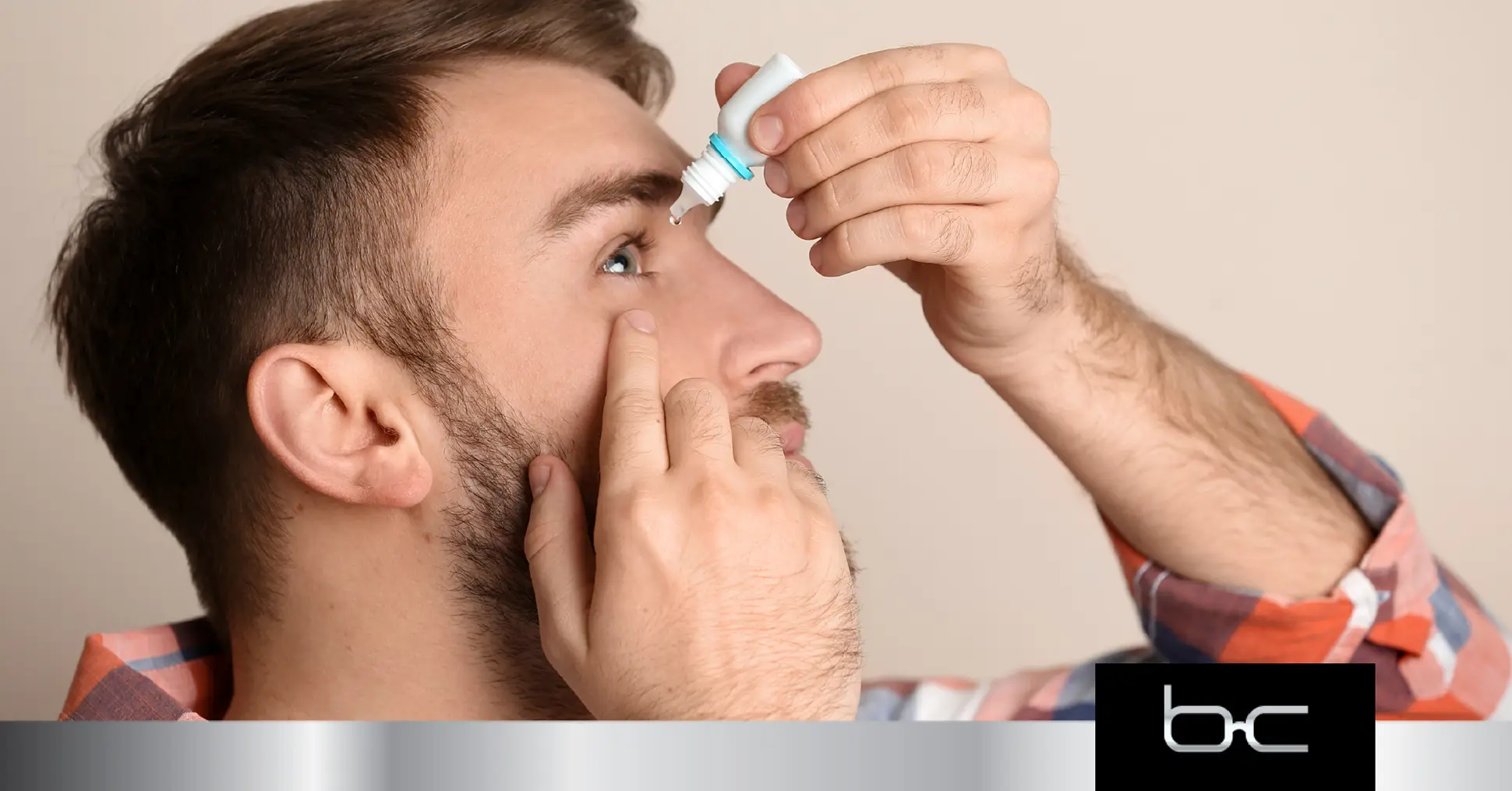
At-home and over the counter treatments, such as artificial tears and warm compresses, can also help to reduce dryness. If symptoms persist, talk to your eye doctor about prescription treatment or additional in-office treatment options.
Finding Dry Eye Relief
Dry eye syndrome is manageable, but it’s always important to check that your symptoms aren’t related to another underlying issue. A comprehensive eye exam allows eye doctors to evaluate tear quality and recommend personalized treatment options.
At Bauer & Clausen Optometry, we take a thoughtful, individualized approach to eye care, and are available to answer all your eye questions. Schedule your next eye exam with us by calling (406) 656-8886.