
Being mindful of protecting your eyes from the sun isn’t limited to the summer months. In fact, winter can be one of the most dangerous seasons for eye-related sun damage.
Photokeratitis, often called eye sunburn or snow blindness, is a painful condition caused by overexposure to ultraviolet (UV) rays. During winter activities, it is a more common phenomenon than many realize, but there are actions you can take to minimize your risk and enjoy all that winter has to offer.
How Photokeratitis Affects Your Eyes
Photokeratitis is a temporary condition with symptoms often lasting no more than a few days, but it can be extremely uncomfortable and, with repeated exposure, may contribute to long-term eye damage.
In those affected by photokeratitis, the cornea (the clear front layer of the eye) is damaged, resulting in symptoms such as eye pain, eye redness, intense tears, light sensitivity, a gritty or sandy sensation in the eyes, and/or blurred vision or temporary vision loss.
Similar to a skin sunburn, photokeratitis symptoms often don’t appear immediately and can begin several hours after exposure, hence the condition’s “eye sunburn” nickname.
Why Winter Increases the Risk
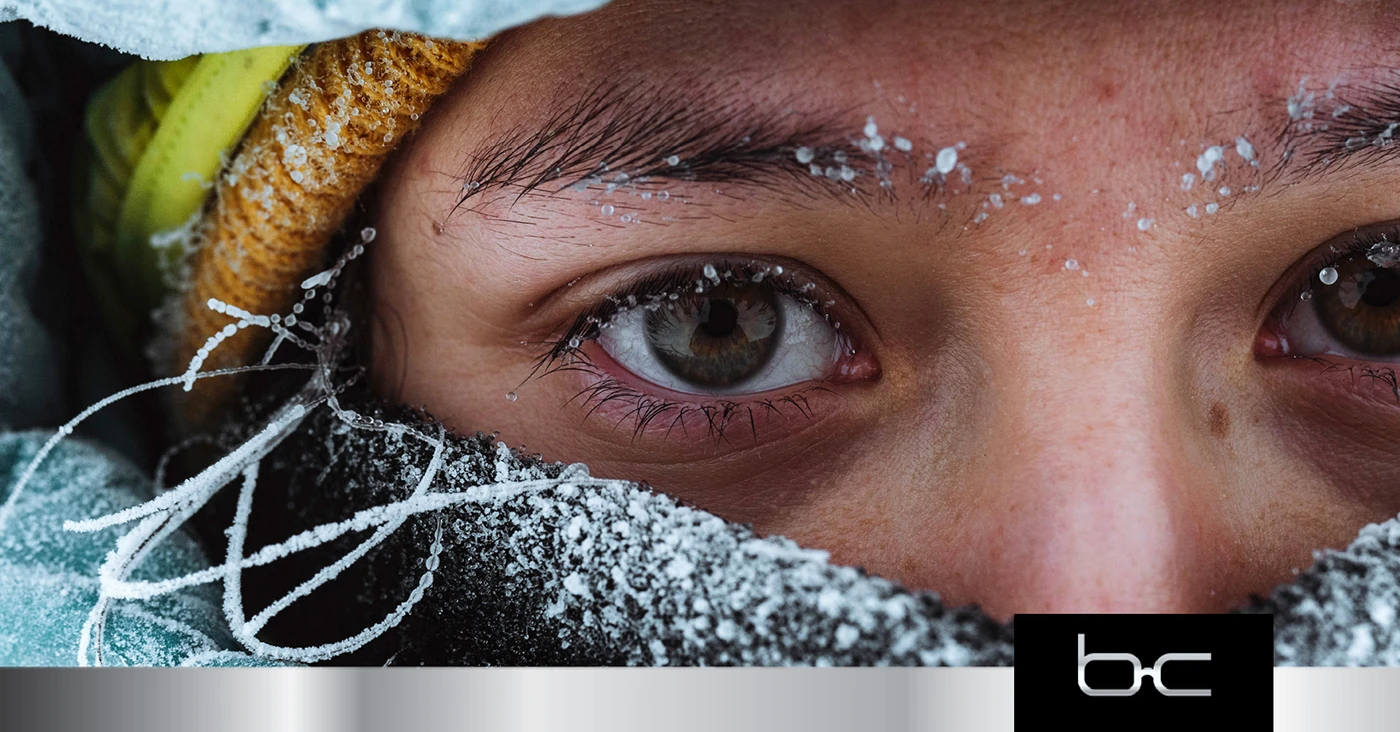
Winter conditions can significantly increase UV exposure, especially in snowy environments where “snow blindness” can take effect. Cold weather activities like skiing, snowboarding, ice fishing, hiking, and even long days working outdoors can all increase the risk of photokeratitis.
There are several main reasons why winter can be a dangerous season for your eyes, including the following:
- Snow reflects up to 80% of UV rays, effectively doubling exposure by affecting the eyes from above and below.
- Higher elevations receive stronger UV radiation, making mountain activities especially high risk.
- Cold temperatures can mask discomfort, making those affected less likely to notice overexposure.
- Cloud cover doesn’t block UV rays, meaning overcast winter days can still be hazardous.
No matter the season, it is extremely important to take precautions with your vision and understand the risks of photokeratitis.
How to Protect Your Eyes in Winter
Photokeratitis is highly preventable, and just like in the summer months, proper eye protection is the biggest key toward protecting your eyes from the sun.
Choose sunglasses or goggles that block 100% of UVA and UVB rays and look for wraparound/close-fitting styles to prevent light from entering around the edges. Polarized lenses can additionally reduce glare, especially on snow and ice.
If your winter gear includes a visor or face shield, make sure it offers UV protection and fits properly (and make sure to wear it even on cloudy days). Limit prolonged exposure during winter activities by taking breaks away from direct sunlight, especially when with children, whose eyes are especially sensitive to UV radiation.
Seeing Clearly All Winter
The team at Bauer & Clausen Optometry encourages you to enjoy winter and every season outdoors, while keeping your eyes safe with appropriate protective eyewear.
Make your vision a priority this New Year by scheduling a comprehensive exam with our knowledgeable team of providers. Call 406-656-8886 today.