

Glaucoma is an eye condition that affects around 4.2 million Americans each year. But early detection and treatment can help to mitigate symptoms and slow symptom progression.
As glaucoma often develops without noticeable symptoms in its early stages, it is important to understand the condition and learn about the risk factors behind one of the world’s leading causes of blindness.
What is Glaucoma?
Glaucoma is a term for a group of eye diseases that damage the optic nerve, located in the back of the eye and responsible for transmitting visual information to your brain. The condition is most often caused by high pressure due to excess fluid buildup inside the eyeball, which over time can damage nerve fibers in the optic nerve and greatly affect vision.
There is no cure for glaucoma, and vision damage caused by the disease (including blindness in advanced cases) is irreversible. Depending on the type of glaucoma, however, those affected can begin to either slowly or suddenly experience symptoms.
Common types of glaucoma include:
- Open-angle glaucoma: The most common type of glaucoma, this occurs when eye pressure is too high for a long period of time, which can cause damage to the optic nerve. Those affected often notice loss in their peripheral vision before eventually spreading to the center.
- Angle-closure glaucoma: This occurs when the angle between the iris and cornea is too narrow, preventing fluid from properly draining. If the drainage angle is completely blocked, this can result in an acute attack, which is often severely painful and can be a medical emergency.
- Secondary glaucoma: A type of glaucoma that occurs due to a direct cause, such as eye injury, inflammation of the uvea (uveitis), or as a side effect of certain medications.
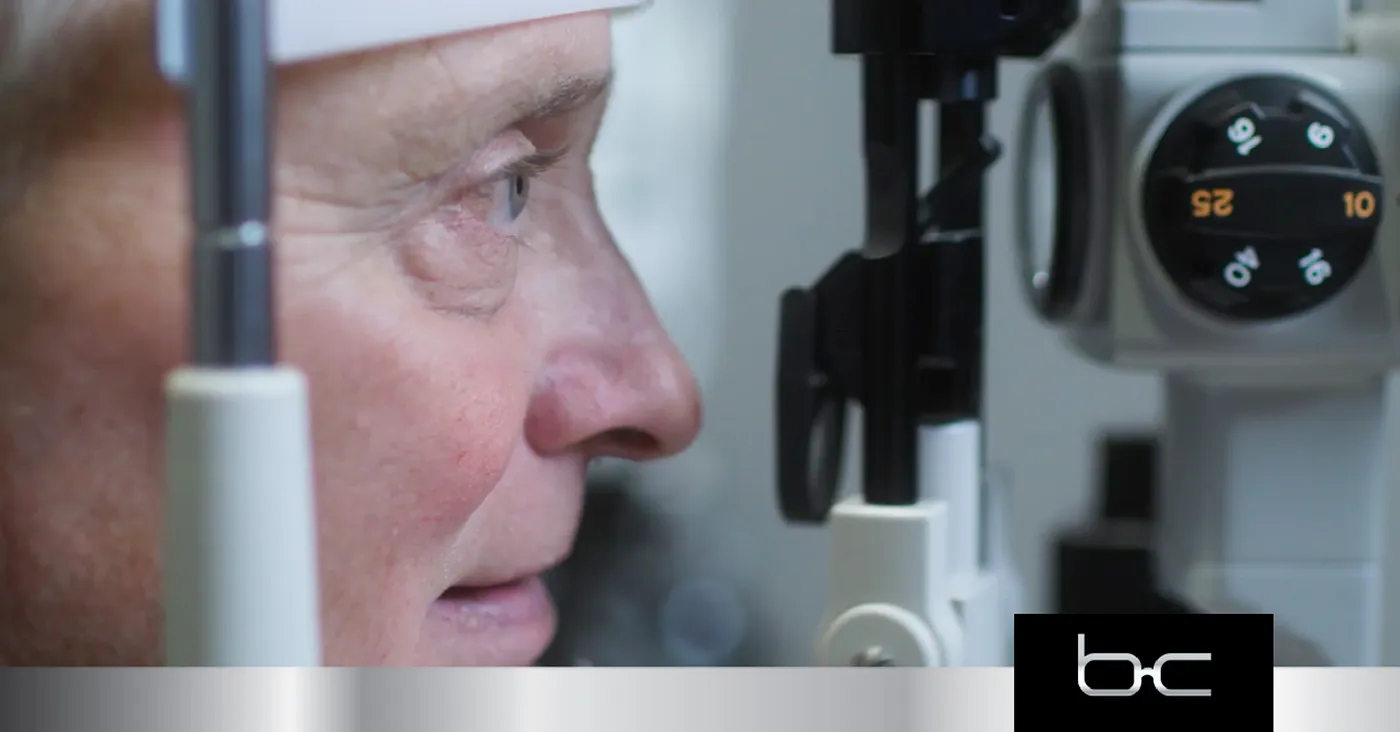
Glaucoma can be diagnosed as part of a comprehensive eye exam, where your eye doctor will measure your eye pressure, evaluate the health of the optic nerve, and evaluate your overall risks for developing glaucoma. As always, if you suffer an eye injury, notice sudden and drastic changes in your vision and/or have severe eye pain, seek medical attention right away.
What Are the Risk Factors of Glaucoma?
Age, race, and genetic factors are among the most common risk factors that contribute to glaucoma.
Glaucoma is most common among people age 40 and older, with the risk of the condition rising over time. Black and Hispanic populations are additionally more likely to develop glaucoma than other races, as are those with a family history of glaucoma.
Underlying chronic conditions such as high blood pressure, cardiovascular disease, and diabetes can also contribute to glaucoma development, making it important to maintain a healthy lifestyle through diet and exercise to reduce your risk.
Preventing and Treating Glaucoma
Glaucoma can’t be cured, but early detection and proper treatment can help slow or stop vision loss. Many people with glaucoma maintain strong, functional eyesight for life with the right care.
Regularly visit your eye clinic for comprehensive eye exams, especially after age 40, and talk to your eye doctor if you notice changes in your vision. In your daily life, manage chronic health conditions to help reduce strain on the optic nerve, and use protective eyewear during high-risk activities (such as sports or recreation) to reduce your risk of an eye injury that could trigger glaucoma later.
Treatment depends on the type and severity of glaucoma, but usually focuses on lowering eye pressure to reduce optic nerve damage. Prescription eye drops are among several common initial treatment options to help lower pressure. In advanced cases, laser treatment and surgery to help improve fluid drainage and relieve pressure can be an option.
Finding Care
At Bauer & Clausen Optometry, our doctors perform comprehensive eye exams and are experienced in detecting, managing, and monitoring glaucoma at all stages.
Schedule an exam with one of our friendly eye care professionals today by calling 406-656-8886. We look forward to helping you protect your vision in the new year.