
June is Cataract Awareness Month. Cataracts are one of the most common conditions that impact vision—but they’re also highly treatable, especially when detected early.
Whether you’re monitoring your own eye health or supporting someone you love, now’s a great time to learn the signs and explore treatment options.
What Is a Cataract?
A cataract is a cloudy area within the eye caused by proteins and fibers in the normally clear lens breaking down. There are multiple types of cataracts, and dependent on its type and severity, there can be spots, streaks or blotches covering significant portions of the affected eye.
Though painless, cataracts can greatly affect vision; think of it as looking through a foggy, dusty or faded window. Symptoms include blurry, cloudy and/or dim vision, eyesight discoloration (such as colors fading or yellowing), double vision, sensitivity to light and poor night vision.
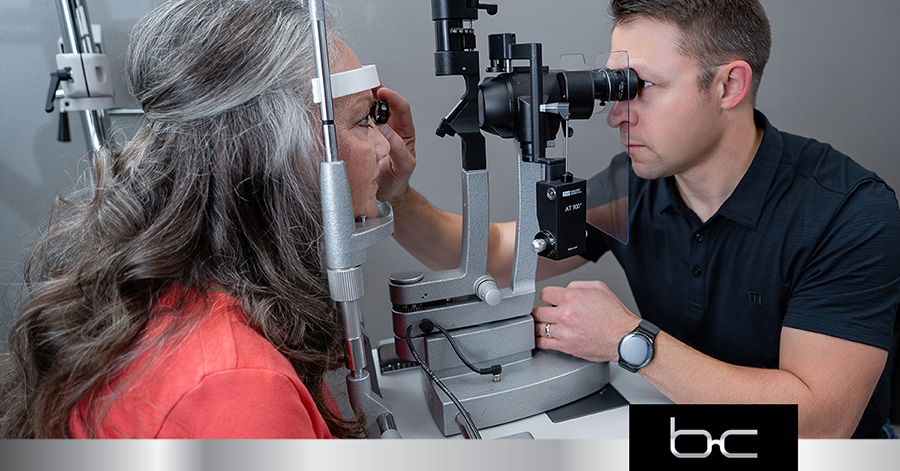
An eye doctor will diagnose cataracts as part of a comprehensive eye exam, where they will look for signs of cataract along with other tests to determine the health of your eyes. Talk to your eye doctor if you notice cataract symptoms in your vision.
Preventing and Treating Cataracts
Though cataracts can’t always be avoided (especially those caused by aging or genetic factors), maintaining a healthy lifestyle can help to reduce your risk.
Eating a balanced diet rich in antioxidants, such as vitamins C and E, can help in supporting eye health. Limiting alcohol intake, avoiding smoking, and keeping chronic conditions in control can also keep your eyes healthy.
Regularly visit your eye clinic for comprehensive eye exams, especially after age 40, to manage cataract progression and detect any abnormalities early. Talk to your eye doctor if you recognize signs of cataract and/or it begins to interfere with your daily tasks, such as if you have difficulty reading, driving, or recognizing faces.
Different types of treatment are available dependent on cataract severity. Early-stage cataracts can be treated by nonsurgical methods, such as stronger eyeglasses and/or anti-glare lenses.
As cataracts often get worse over time, however, surgery – via a brief, safe procedure in which the cloudy lens is removed and commonly replaced with an artificial lens – is often the best way to start seeing clearly again.
Finding Care
At Bauer & Clausen Optometry, our doctors perform comprehensive eye exams and are experienced in helping patients manage cataracts.
Looking for eyeglasses in Billings, MT, schedule an exam with one of our friendly eye care professionals today.